What we do / Six connected priorities

Real life refuses
neat categories.

Our programmes meet where lives meet: in classrooms, homes, shared water points and conversations that change what a community believes is possible.

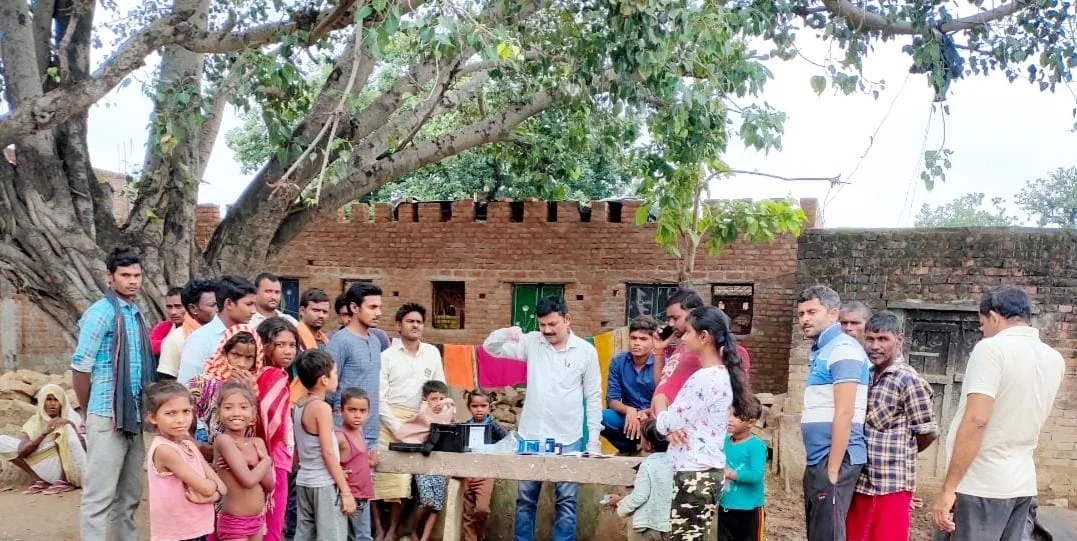
A community learning demonstration with children and adults
Field work / Meja
01

Education

Education that stays within reach
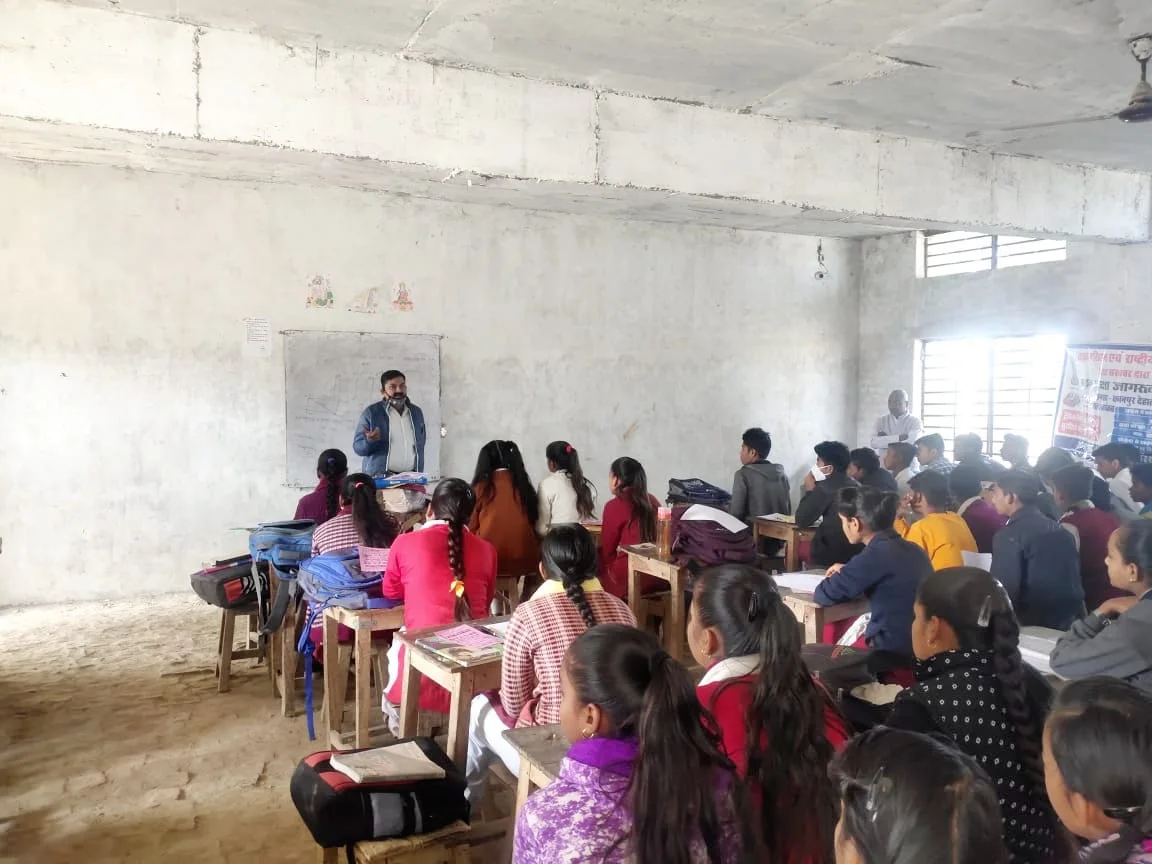
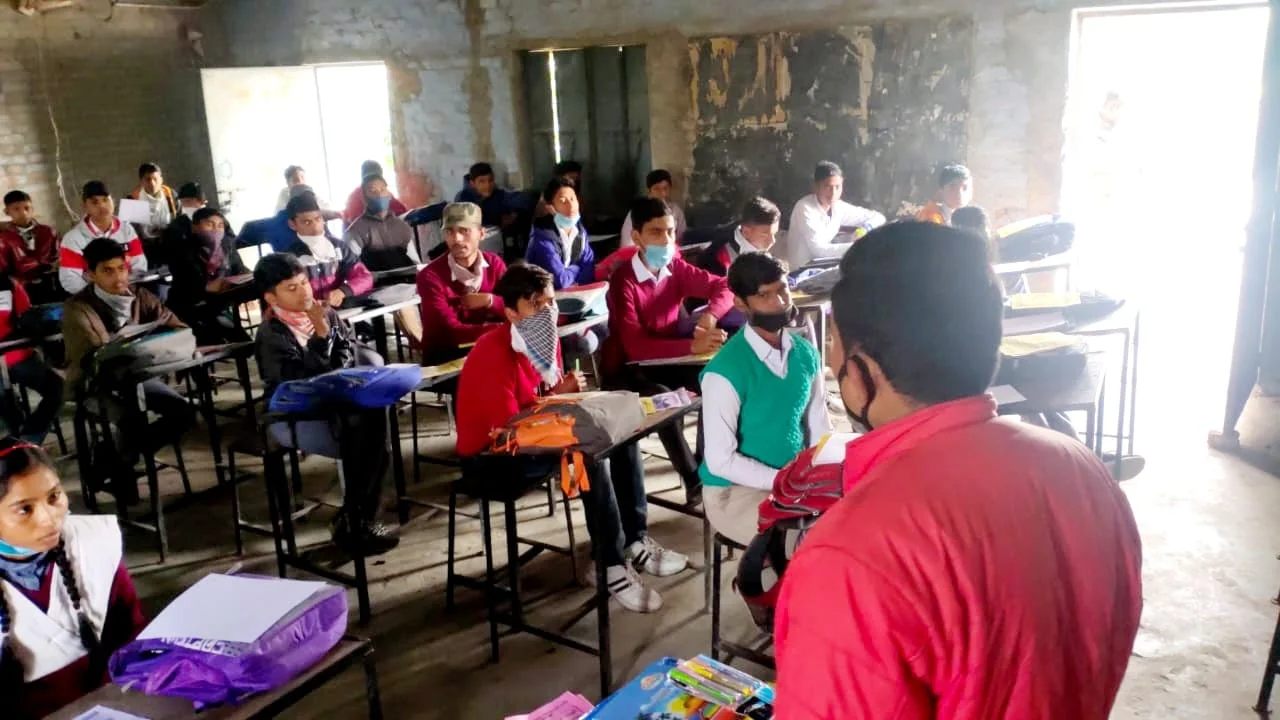
Students listening during a classroom session in Uttar Pradesh

Our education work centres children and young people whose learning can be interrupted by distance, household pressure or limited local resources. We bring attention, materials and community participation closer to where students already live.

How we frame the work

We support learning as a practical right: a place to study, adults who show up, and encouragement strong enough to keep a child connected to school.
02

Children’s rights

Childhood without exploitation

Young students seated in a local classroom

Ending child labour takes more than a slogan. It requires families, educators and neighbours to recognise risk early, protect a child’s time for learning and treat every child’s future as a community responsibility.

How we frame the work

A child belongs in safety and in school—not at work. We build awareness around children’s rights and the shared duty to end child labour.

03

Drinking water

Safe water, close to home

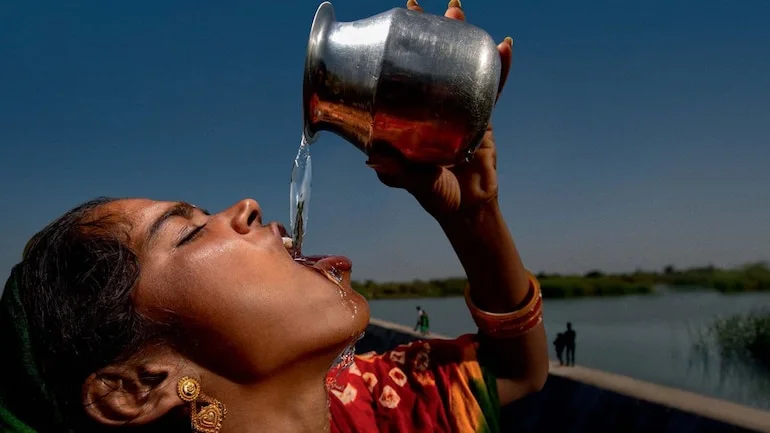
A woman drinking water outdoors beside a reservoir

Water is never only an infrastructure question. Its availability affects how families plan every day and often determines the burden carried by women and children. Our work connects awareness of safe water with health and local action.

How we frame the work

Clean drinking water shapes health, school attendance and daily dignity. We keep water access visible as a core development priority.

04

Sanitation & cleanliness

Clean surroundings, shared responsibility

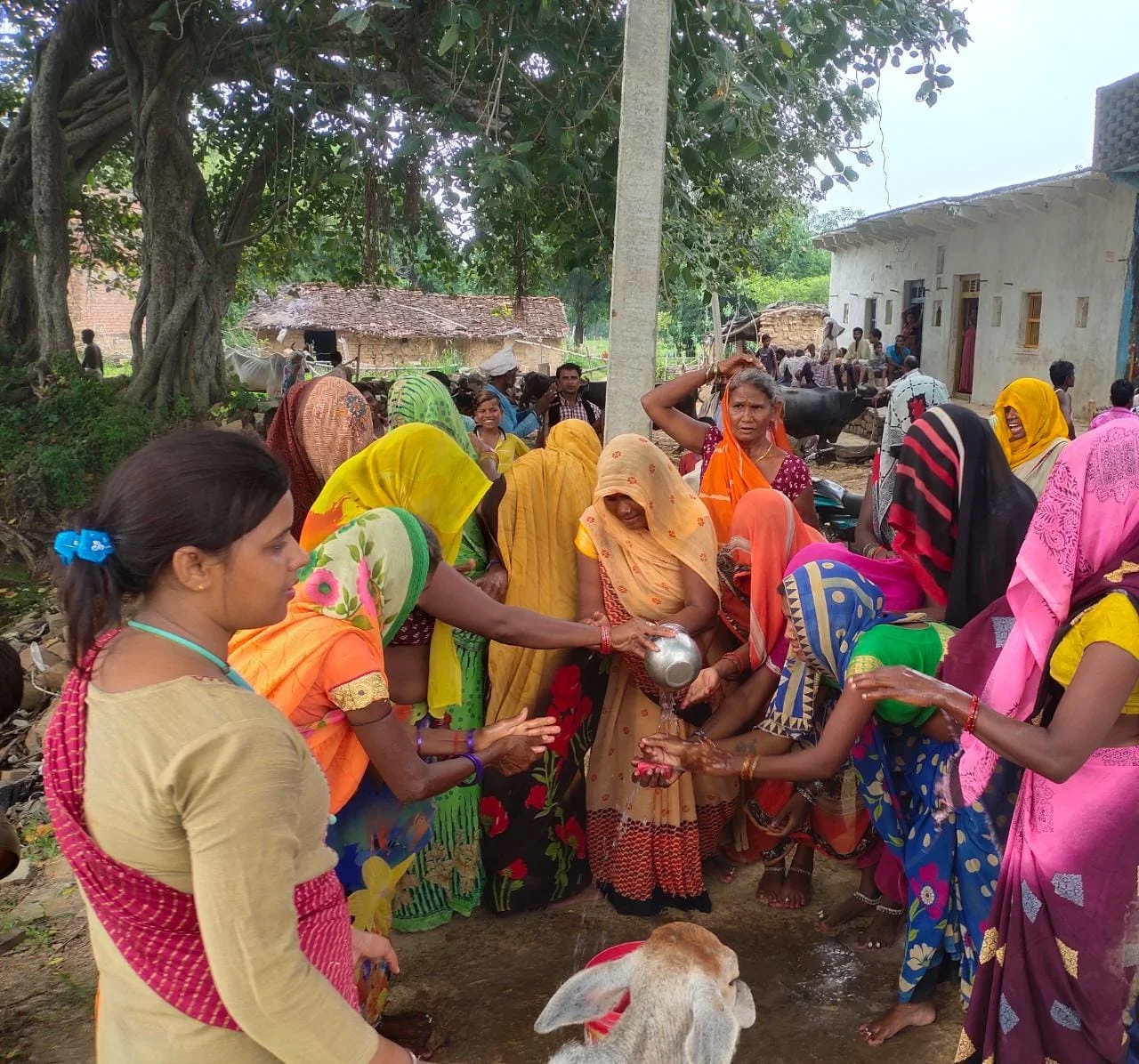
Women gathering during a community cleanliness and water activity

We connect cleanliness, sanitation and public health in community conversations. The goal is steady everyday practice—safer water handling, cleaner common areas and collective ownership of the places people share.

How we frame the work

Sanitation becomes durable when people understand why it matters and have a voice in keeping shared spaces clean.

05

Women’s development

Women leading the conversation

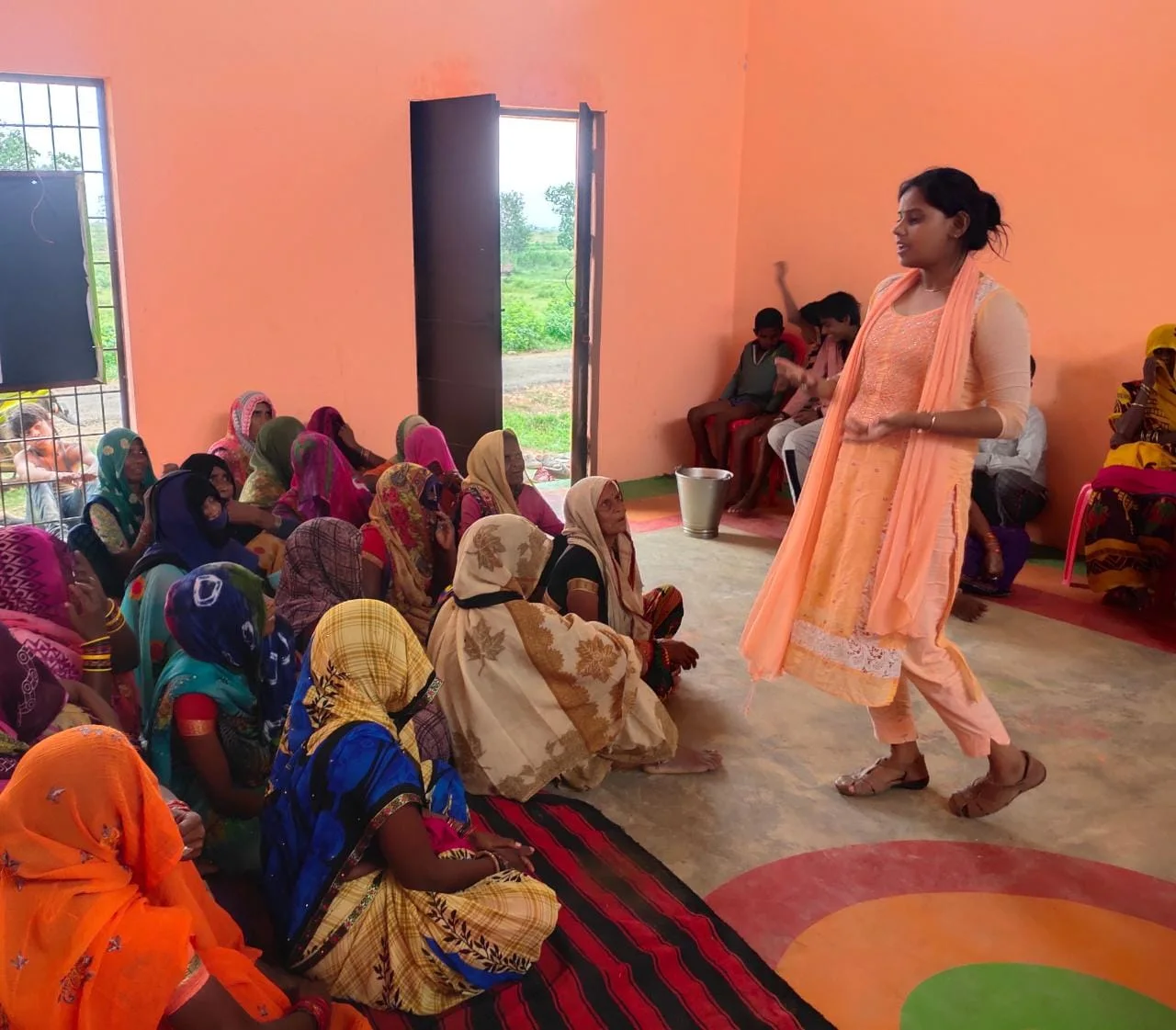
A woman leading an awareness session with women from the community

Our awareness work brings women together to discuss the issues that shape family and community life. It values lived knowledge, encourages participation and strengthens the confidence to ask questions, make decisions and be heard.

How we frame the work

Women are not the audience for development; they are its authors. We create space for information, confidence and collective voice.

06

Women & children

Children growing with care and confidence

Children and adults gathered around a community learning demonstration

This work looks at the whole environment around a child: the adults who advocate for them, the information available to a family and the community conditions that let young people learn and grow with confidence.

How we frame the work

Healthy development needs more than one intervention. We connect learning, safety, awareness and family participation around children and women.

The connecting principle

A child’s future is never a single-issue project.

School, health, water, safety and a woman’s decision-making power shape one another. Treating them as a connected system is how short activity becomes lasting development.